
Most Common Types of Boiler Repair in Glasgow
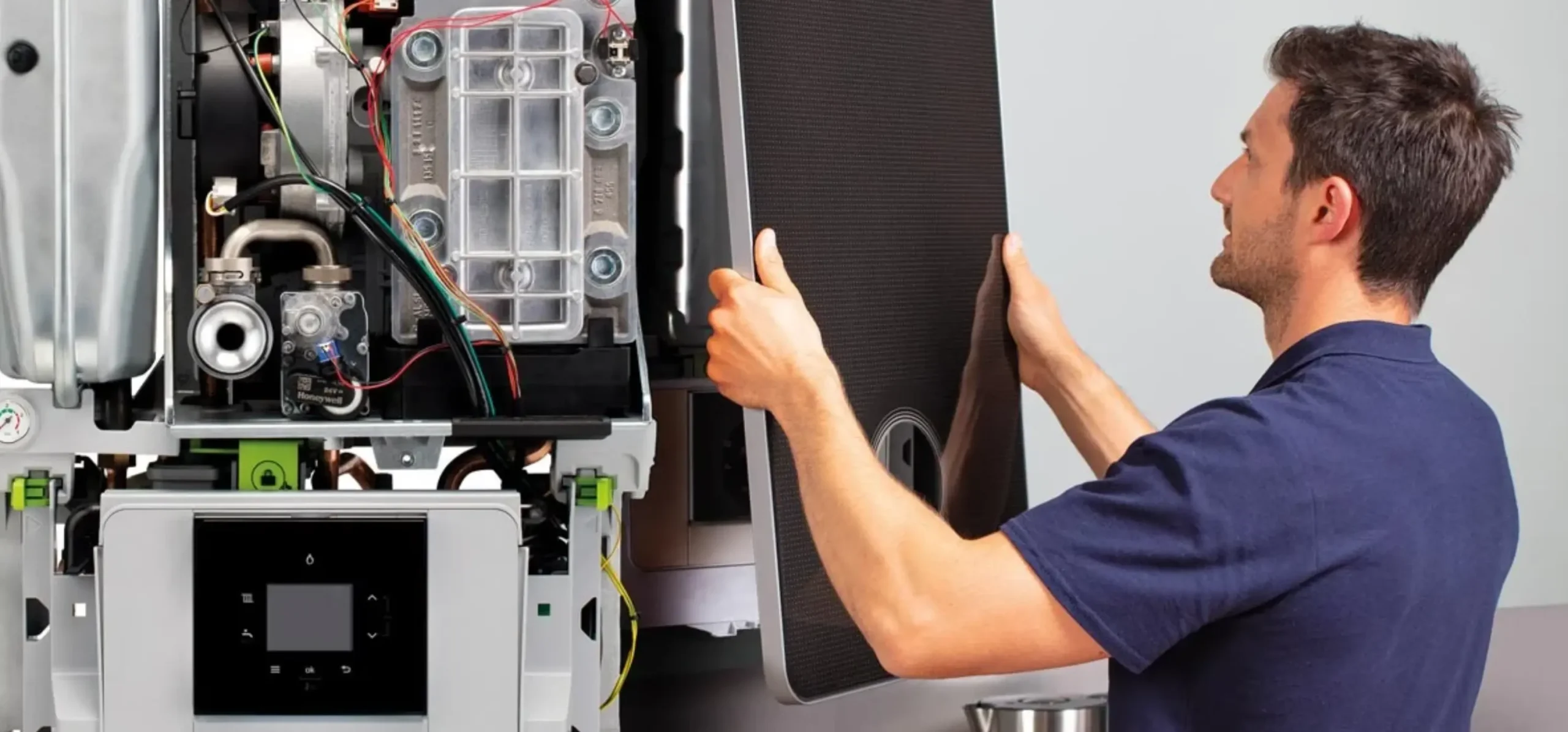
Damp weather and hard water from the West of Scotland often shorten boiler life, leading to frequent breakdowns during peak heating months from October to March.
Glasgow homes, especially in older tenements, face unique challenges. Hard water causes limescale to build up fast, clogging parts and raising repair needs. Spotting common issues early can save you from costly emergencies and keep your home warm without hassle.
The Silent Killer: Central Heating System Pressure Issues
Pressure problems top the list of boiler repairs in Glasgow. They sneak up quietly but can shut down your heating without warning. Low or high pressure affects how water circulates, leaving rooms chilly.
Low System Pressure Explained
Low pressure means your boiler shows less than 1 bar when cold. It often stems from tiny leaks or a faulty expansion vessel that can’t hold the right balance. Over time, air enters the system, dropping levels further and triggering safety shut-offs.
You might notice the boiler rumbling or error lights flashing. In Glasgow’s older homes, corrosion speeds this up. Check your gauge regularly—it’s a simple dial on the unit.
To top up safely, find the filling loop under the boiler. Connect it to your mains water, open the valves slowly until it hits 1-1.5 bar, then close them. Do this only for one-off drops; if it happens often, call a pro to fix the leak.
High Pressure Symptoms and Dangers
High pressure, above 2.5 bar, builds when the system can’t release excess. Your pressure relief valve (PRV) might drip to vent it, but ignore this and you risk cracked pipes or a burst boiler. In tight Glasgow flats, a leak can flood neighbours below.
Symptoms include a humming noise or warm water from the safety pipe. The expansion vessel absorbs extra pressure; when it fails, levels spike wildly. Gas Safe engineers see this often in unserviced systems.
One fix involves bleeding the system first. But for safety, get an expert to check the vessel—replacing it costs less than a full overhaul.
Temperature Troubles: Boiler Failing to Heat Water or Radiators
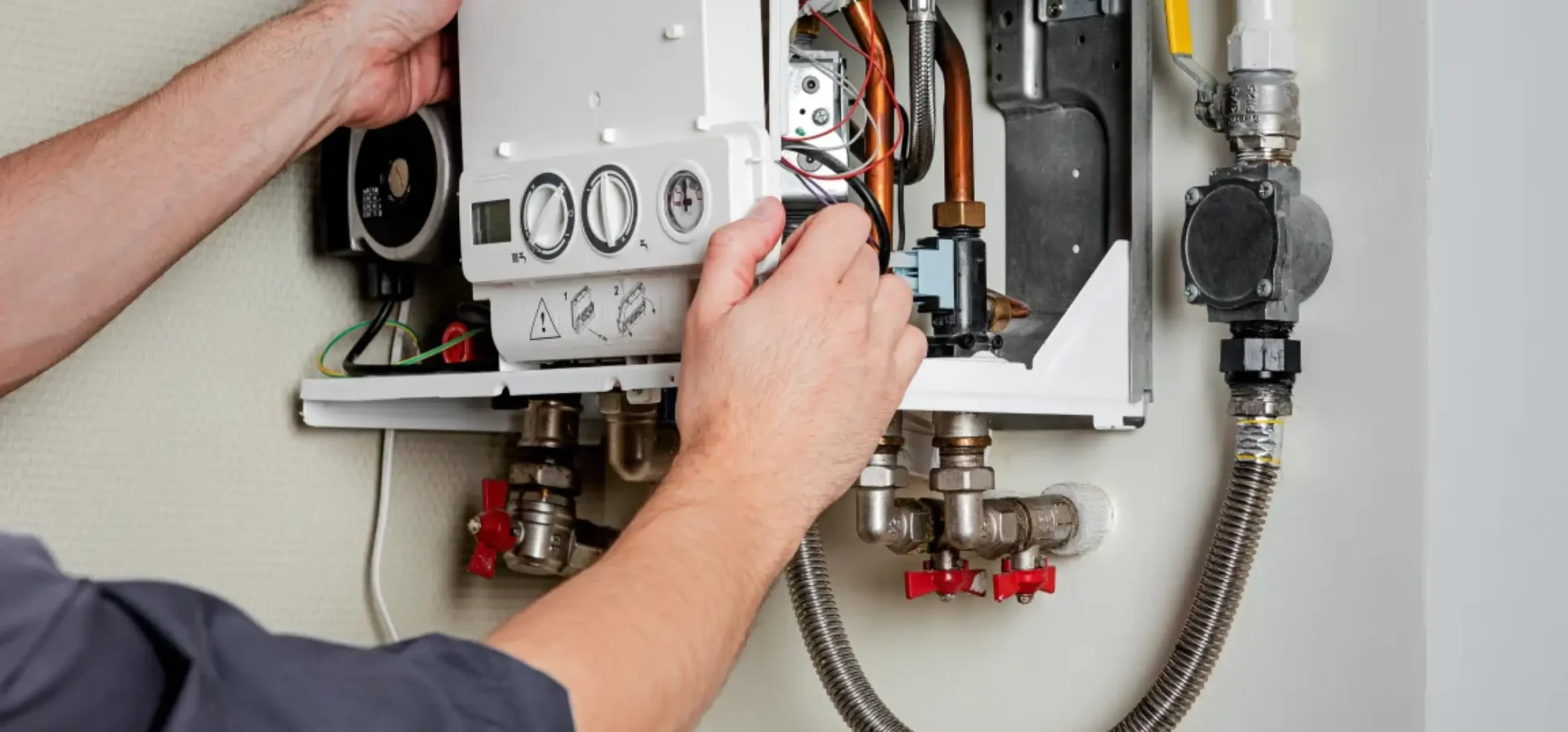
Nothing frustrates like lukewarm showers in Scotland’s cold snaps. Boiler temperature faults hit hard, especially in combi units common here. They separate hot water from heating, so one can fail while the other works.
These issues often trace to blockages or valve glitches. Glasgow’s water quality worsens them, with minerals sticking to parts. Early checks prevent bigger headaches.
No Hot Water But Heating Works
If radiators heat but taps run cold, the problem lies in the domestic hot water side. A stuck diverter valve, which switches flow between heating and water, is a prime suspect. It fails from wear, sending hot water to radiators instead.
Limescale clogs the plate heat exchanger too. In Glasgow tenements with 20-year-old boilers, this build-up cuts efficiency by 30%. You lose hot water fast, raising energy bills.
Reset the boiler first—power off for 30 seconds. If no change, an engineer can clean or swap the valve. Regular descaling keeps this at bay.
Radiators Not Heating Up Evenly (Cold Spots)
Cold spots on radiators point to poor circulation, not always the boiler itself. Sludge from rust and debris blocks flow, common in unmaintained Glasgow systems. Powerflushing clears it, restoring even heat.
Bleed radiators to start: turn the key at the top until water hisses out, then tighten when it runs clear. Do this monthly in heating season. If spots persist, sludge needs flushing—pros use chemicals to dissolve it.
In hard water areas like ours, this repair happens yearly for many homes. It boosts efficiency and cuts fuel use by up to 15%.
The Noise Complaint: Strange Sounds Emanating from Your Boiler
Boilers shouldn’t sound like a rattling train. Noises signal trouble brewing, from inefficiency to part failure. In quiet Glasgow nights, these sounds wake you—and demand attention.
Gurgling or banging often ties to air or scale. Pumps add vibrations if worn. Addressing them early avoids breakdowns.
Banging, Gurgling, and Kettling Noises
Kettling mimics a boiling kettle inside the heat exchanger. It happens from limescale causing hot spots, making water boil unevenly. Sediment settles at the bottom, worsening the racket.
Banging comes from water slamming through restricted pipes. Gurgling? Trapped air bubbles rising. These cut your boiler’s life by years if unchecked.
In Glasgow, 40% of noise repairs link to scale in hard water zones. Descale annually or fit a magnox filter to trap debris.
Vibrations and Pump Failures
A humming pump turns noisy when bearings wear or air locks in. It seizes up, stopping circulation and leaving your home cold. Debris from unflushed systems speeds this.
Vibrations shake the whole unit, loosening joints. Check for loose fixings first—tighten screws gently. But pump replacement is common; stats show 25% of Glasgow boiler fixes involve this.
Never been flushed? That’s the root for most. A pro clean every few years keeps the pump quiet and reliable.
Error Codes and Ignition Failures: When the Boiler Won’t Fire Up
Your boiler flashes codes like a secret message. They pinpoint faults, from pressure dips to gas woes. In modern units, like Vaillant or Worcester Bosch, these save diagnostic time.
Ignition fails lock it out for safety. Common in damp Glasgow, where moisture affects electrics.
Common Boiler Error Codes Specific to Major Brands (e.g., Vaillant, Worcester Bosch)
Vaillant’s E10 means low water pressure—top up as we covered. F22 on Worcester signals flame failure, often from dirty sensors. These pop up in 50% of Glasgow service calls.
Reset by powering off for five minutes. But recurring codes need a Gas Safe check—DIY gas work is illegal and risky.
For Vaillant ecoTEC, EA224 points to circulation blocks. Worcester’s EA211? Pump or air issues. Note the code, then call help.
Pilot Light Issues or Ignition Lockout
Older boilers rely on a pilot light; modern ones spark on demand. A faulty thermocouple snuffs the pilot, while flame sensors dirty up in combis. Gas supply glitches or drafts cause lockouts too.
In Glasgow’s windy weather, external vents clog easily. “Regular servicing spots these before winter hits,” says local engineer Jim McKay.
Reset the lockout button—usually red on the front. If it relights once, watch it. Persistent fails mean pro replacement of sensors.
Water Leaks: Identifying the Source of Boiler Dripping
Drips turn into floods if ignored. Leaks rank high among boiler repair in Glasgow, often from seals or pressure. Spot the source to avoid water damage in your flat.
Condensing boilers produce some moisture—normal. But system water means trouble.
Leaks from the Boiler Casing or Pressure Relief Valve (PRV)
Casing drips could be condensation from efficiency, or a failed pump seal spilling hot water. PRV leaks scream over-pressure—water shoots from the external pipe.
Condensation is clear and cool, from the drain trap. System leaks? Warm and steady. Acidic condensate eats concrete floors, so direct it outside.
Turn off the boiler if leaking badly. An engineer tests the PRV; faulty ones cost £100 to swap.
Identifying External Pipework Issues vs. Internal Component Damage
External leaks hit joints or drain cocks, easy fixes with tape or new valves. Internal? Heat exchanger cracks from corrosion—major repair.
Check pipes for wet spots first. Tighten fittings if loose. But steam or hissing inside points to internals; shut off gas and call fast.
In Glasgow, pipe corrosion from poor water hits 30% of older installs. Annual checks catch it early.
Conclusion: Proactive Maintenance is the Best Glasgow Boiler Repair Strategy
Pressure woes, temperature glitches, noises, codes, and leaks—these common boiler repairs in Glasgow steal your comfort and cash. We’ve covered how hard water and weather amp them up, plus tips to tackle basics yourself.
Annual servicing saves big: it spots issues before emergencies, slashing call-out fees by half. In a city like ours, it’s not optional—it’s smart.
Always hire Gas Safe registered pros for repairs; it’s law and keeps you safe. Book that service now to beat next winter’s chill. Your boiler will thank you with reliable heat.