
Maximise Your Home Comfort and Efficiency: The Ultimate Guide to Optimising Boiler Performance
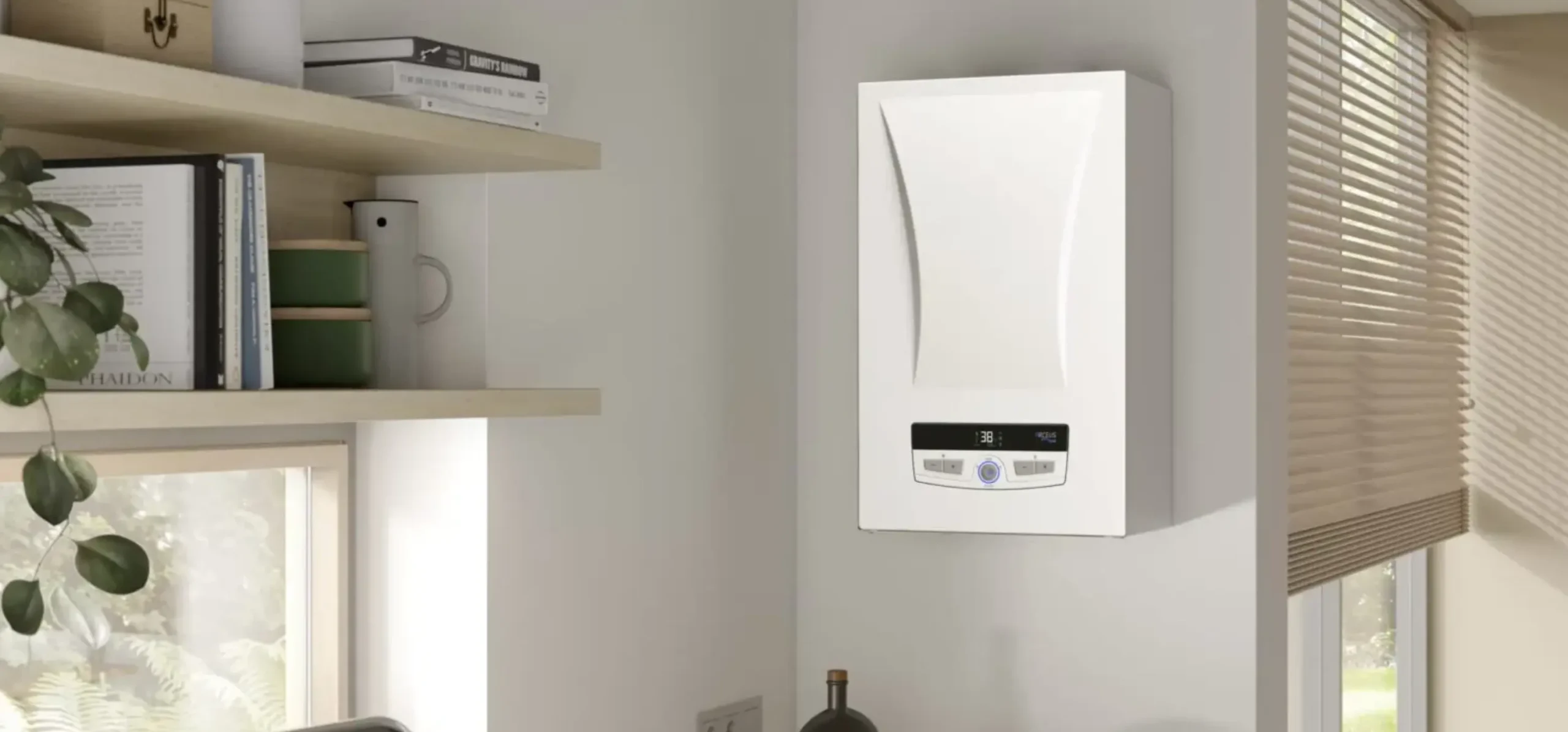
Did you know that poorly maintained boilers waste up to 20% of your energy? That adds up to hundreds of pounds on your bills each year. If your home feels chilly despite the heating running full blast, or if those winter energy costs hit hard, you’re not alone. This guide walks you through simple steps to boost your boiler’s performance, cut down on waste, and keep your space toasty without breaking the bank.
The Fundamentals: Understanding Your Boiler’s Current State
Start by knowing where your boiler stands. A quick assessment reveals hidden issues that sap efficiency. From there, you can make smart changes to optimise boiler performance right away.
Annual Professional Servicing: The Non-Negotiable First Step
Book a yearly check from a certified engineer. It’s key for safety and keeping your boiler running smooth. They spot problems early, like faulty parts, before they lead to breakdowns.
During the service, the engineer tests the burner for even flames. They inspect the heat exchanger for leaks or scale. Pressure levels get a full review too, ensuring everything stays safe from risks like carbon monoxide buildup.
Think of it as your boiler’s MOT. Without it, small faults grow into big repairs. In the UK, Gas Safe registered pros handle this, so always choose one you trust.
Identifying Early Warning Signs of Inefficiency
Listen for odd sounds from your boiler. Kettling noises, like a bubbling pot, signal limescale in the pipes. Banging or gurgling means air or sludge blocks flow.
If rooms take ages to warm up, your system struggles. Leaks or rusty spots on the boiler case point to corrosion eating away inside. Cool patches on radiators show uneven heat spread.
Spot these cues fast. They tell you to act now, not wait for a total failure. Catching them early saves money and hassle.
Decoding Your Boiler’s Efficiency Rating (SEDBUK/ErP Ratings)
Check your boiler’s SEDBUK or ErP rating. It shows how much fuel turns into heat, not waste. A score over 90% means it’s highly efficient, like top models today.
Older units might sit at 70% or less. That means more gas escapes up the flue. Grab your manual or look online by model number for exact figures.
Higher ratings cut your carbon footprint too. If yours lags, tweaks in this guide help lift real-world performance. Aim for that sweet spot where every penny counts.
Essential DIY Checks for Immediate Performance Boosts
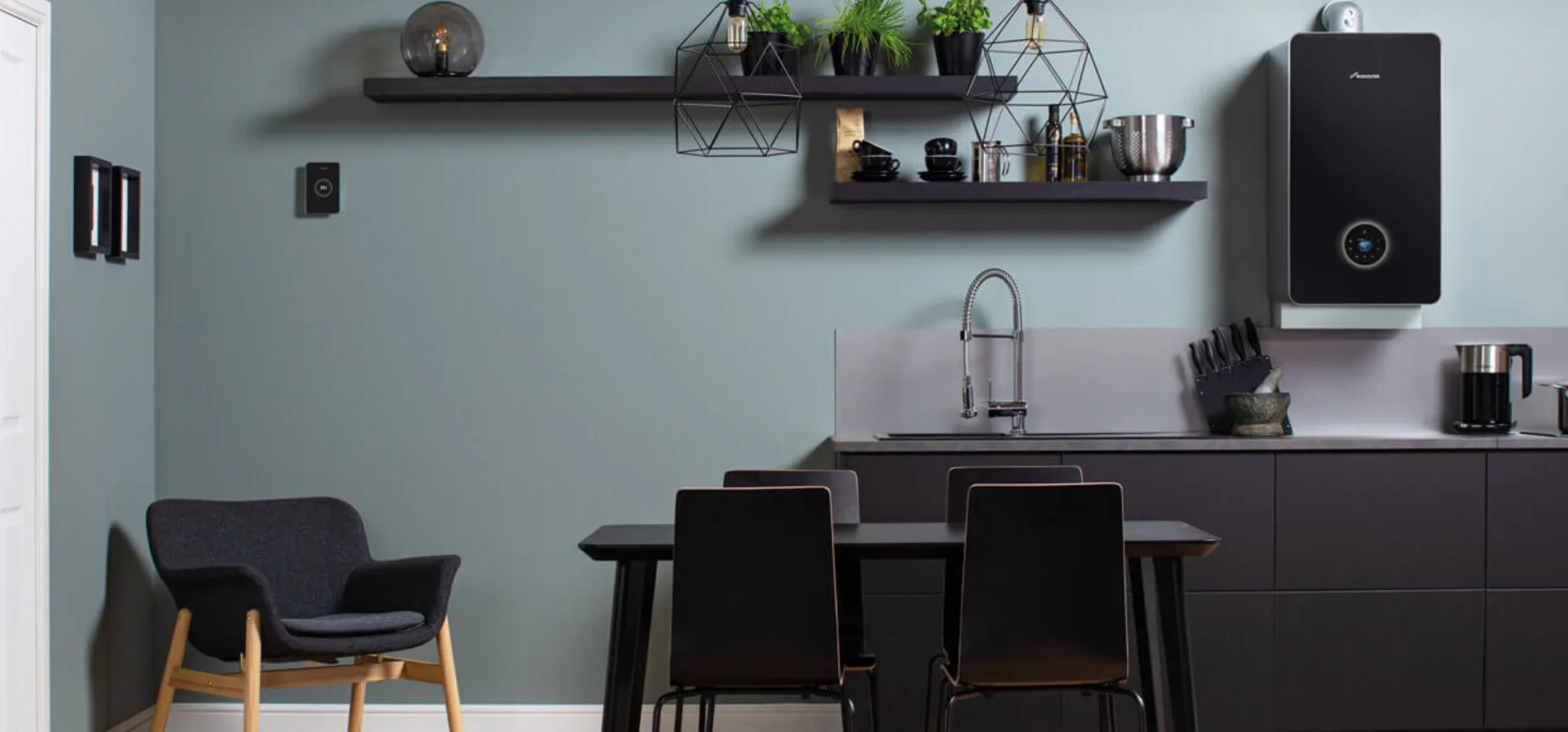
You don’t need tools or experts for these basics. Hands-on tasks like these give quick wins in boiler efficiency. Roll up your sleeves and start saving today.
Mastering System Pressure: Finding and Maintaining the Sweet Spot
Your boiler needs the right pressure to push hot water around. When cold, it should read 1 to 1.5 bar on the gauge. Too low, and heating falters; too high, and seals might blow.
Find the filling loop, often a flexible hose under the boiler. Turn the valves to add water slowly. Watch the gauge and stop at the right level.
Over-pressurising causes drips or worse. If it hits 2.5 bar when hot, bleed a radiator to release some. Check monthly to keep things steady.
How to Bleed Radiators to Remove Airlocks
Air trapped in radiators blocks heat flow. Your boiler works overtime to compensate, burning extra fuel. Bleed them to let air out and water in.
Turn off the heating first. Grab a radiator key and towel. At the top valve, insert the key and turn anti-clockwise until water trickles.
- Hold the towel below to catch drips.
- Let it run for a few seconds, then tighten.
- Start from the lowest radiator and work up.
Do this every few months, especially after long off periods. You’ll feel the difference in even warmth.
Checking and Insulating Pipework
Exposed pipes lose heat fast in cold spots like lofts or garages. Uninsulated ones can waste 10-15% of your energy through radiation. Wrap them to lock in the warmth.
Inspect for wear or frost damage first. Use foam lagging sleeves, easy to cut and fit. Secure with tape for a snug hold.
Focus on straight runs near the boiler. In unheated areas, this stops pipes from freezing too. A small job like this pays off in lower bills year-round.
Optimising Heating Controls for Smarter Energy Use
Smart controls turn your boiler into a wise worker. They heat only when needed, based on your habits. This shift alone can slash usage by 10-20%.
Programming Your Thermostat for Maximum Efficiency
Set your thermostat to match daily life. No need for constant 22°C; drop it to 18°C at night or when out. This prevents your boiler from overworking.
Experts suggest 20-21°C for living rooms during the day. Use a seven-day programmer for routines, like lower temps on workdays. Test settings and adjust for comfort.
Why fight the chill with blasts of heat? Gradual changes feel better and save gas. Track your bills to see the drop.
Understanding Boiler Compensation and Weather Compensation
Cold days make your boiler run hotter to keep homes snug. Compensation controls tweak flow temperature based on outside weather. It avoids overheating rooms.
Weather sensors link to smart systems. On mild days, they lower the output. This keeps efficiency high without manual fiddles.
If your setup lacks this, simple timers help mimic it. Tie heating to real needs, not guesswork.
The Benefits of Smart Thermostats and Zone Controls
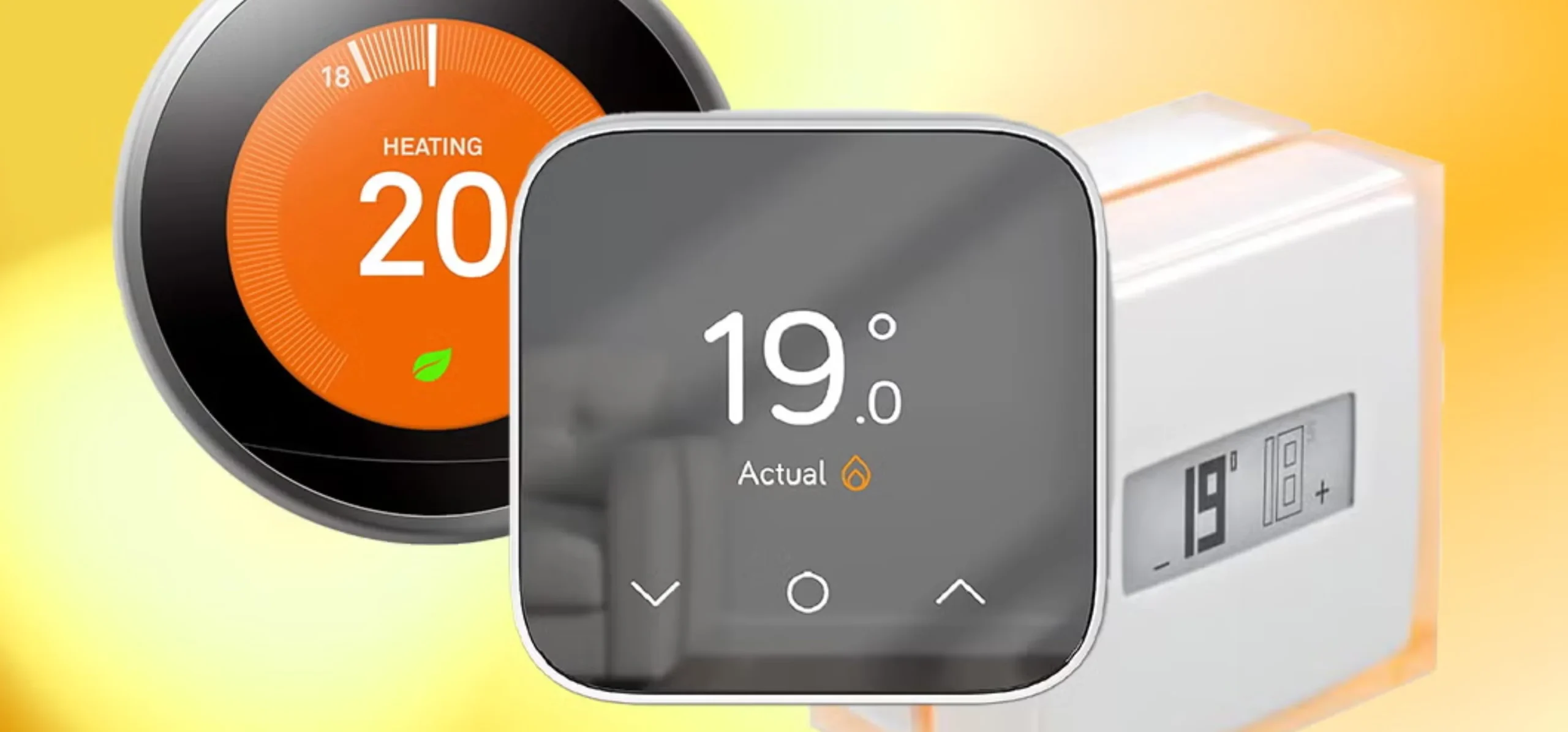
Smart thermostats learn your patterns over time. They adjust heat via apps, so you control from your phone. No more coming home to a cold house.
Zone controls heat just the rooms you use. Valves on radiators let you skip the spare bedroom. Savings hit 15% or more for busy homes.
Remote access means tweaks on the go. Pair with voice assistants for ease. It’s like giving your boiler a brain upgrade.
Maintaining Heat Distribution Throughout Your Property
Even heat means a happy home. Blockages in radiators steal efficiency from your boiler. Clean systems spread warmth where you want it.
Maintaining Radiator Health: Powerflushing and Sludge Removal
Sludge, or magnetite buildup, coats radiator insides like rust. It acts as an insulator, so heat can’t escape well. Your boiler pushes harder, using more fuel.
Over years, this black gunk clogs pipes too. Flush it out to restore flow. Regular care keeps radiators hot top to bottom.
Spot it by draining dark, murky water. Left alone, it shortens boiler life. Prevention beats cure every time.
When to Consider a Professional Powerflush
Call in pros if radiators feel cold at the base. Rusty water from bleeds signals deep sludge. Powerflushing blasts it away with high-pressure water and chemicals.
It’s not a basic clean; it’s for stubborn buildups. Expect it every 5-7 years in hard water areas. Costs pay back in better performance.
After, your system runs quieter and hotter. Weigh it against ongoing inefficiency.
Using Inhibitors to Protect Internal Components
Add inhibitors like Fernox after any work. These chemicals stop scale and rust from forming. They coat metal parts to shield against wear.
Pour it into the system via a radiator or dosing point. Follow bottle doses for your setup size. It boosts heat exchanger efficiency by keeping surfaces clean.
Without it, corrosion creeps in fast. A yearly top-up maintains the protection. Think of it as oil for your boiler’s engine.
System Upgrades and Future-Proofing Boiler Longevity
Upgrades extend your boiler’s life and amp up efficiency. Weigh costs against old unit drags. Modern tweaks make a big difference.
Should You Upgrade Your Boiler? Assessing Age and Efficiency Loss
Boilers over 15 years old often guzzle 30% more gas than new ones. If repairs pile up, replacement makes sense. Condensing models recover heat from exhaust, hitting 90%+ efficiency.
Check your model’s age in the manual. Factor in running costs too. New installs qualify for grants in the UK.
Upgrading future-proofs against rising energy prices. It cuts emissions as a bonus.
Magnetic Filters: Protecting the Heart of Your System
Fit a magnetic filter inline to snag iron particles. They trap debris before it hits the boiler. This keeps the heat exchanger clear for top performance.
Install near the boiler return pipe. Pros do it in under an hour. Clean the filter yearly to dump collected junk.
It preserves efficiency long-term. Less strain means fewer breakdowns. A smart add for any age system.
Optimising Boiler Location and Ventilation
Your boiler needs clear air for safe burning. Block vents with boxes or insulation, and efficiency drops as combustion suffers. Keep at least 25mm gaps around.
In lofts or cupboards, ensure vents stay open. Check for dust buildup on fans. Good airflow means steady operation.
Relocate if needed during upgrades. Proper setup avoids overheating and waste.
Conclusion: Your Action Plan for Peak Boiler Performance
Optimising boiler performance starts with basics and builds from there. Book that annual service today. Check and adjust your system pressure right now.
Programme your thermostat for smart use. Add a magnetic filter if sludge worries you. These steps deliver reliable heat and lower bills.
Take charge of your heating. A well-tuned boiler warms your home without the waste. Enjoy the comfort and savings for years to come.