
The Frozen Fix: Your Essential Guide to Dealing with a Winter Boiler Breakdown

Imagine coming home after a long day in the biting cold, only to find your home as chilly as the outdoors. No heat blasts from the radiators, and the hot water tap runs icy. A winter boiler breakdown hits like a sudden storm, leaving you shivering and scrambling just when you need warmth most.
Winter ramps up the strain on your boiler. Freezing temps can ice up pipes, while constant use for heating pushes the system hard. You face higher risks of failure from December through February. Quick steps now can ease the pain and get things back on track fast.
Section 1: Immediate Action Plan – What to Do When the Heat Stops
Safety First: Essential Preliminary Checks
Turn off the boiler right away if you spot trouble. Check the pilot light on older models – if it’s out, don’t relight it yourself unless you’re sure it’s safe. Look for water leaks around the unit; a small drip can signal bigger issues.
Smell gas? Get out of the house and call the gas emergency line at 0800 111 999 without delay. That’s a red flag for a serious problem. For electric boilers, confirm the power switch is on and fuses aren’t blown.
If water leaks badly, isolate the boiler by closing the water supply valves. This stops more flooding. Wear gloves to avoid burns or shocks, and keep kids and pets away from the area.
- Step 1: Switch off the boiler at the control panel.
- Step 2: Turn off the water inlet valve, usually near the filling loop.
- Step 3: Mop up any water to prevent slips.
These checks buy you time before help arrives.
Diagnosing the Common Culprits of Cold Weather Failures
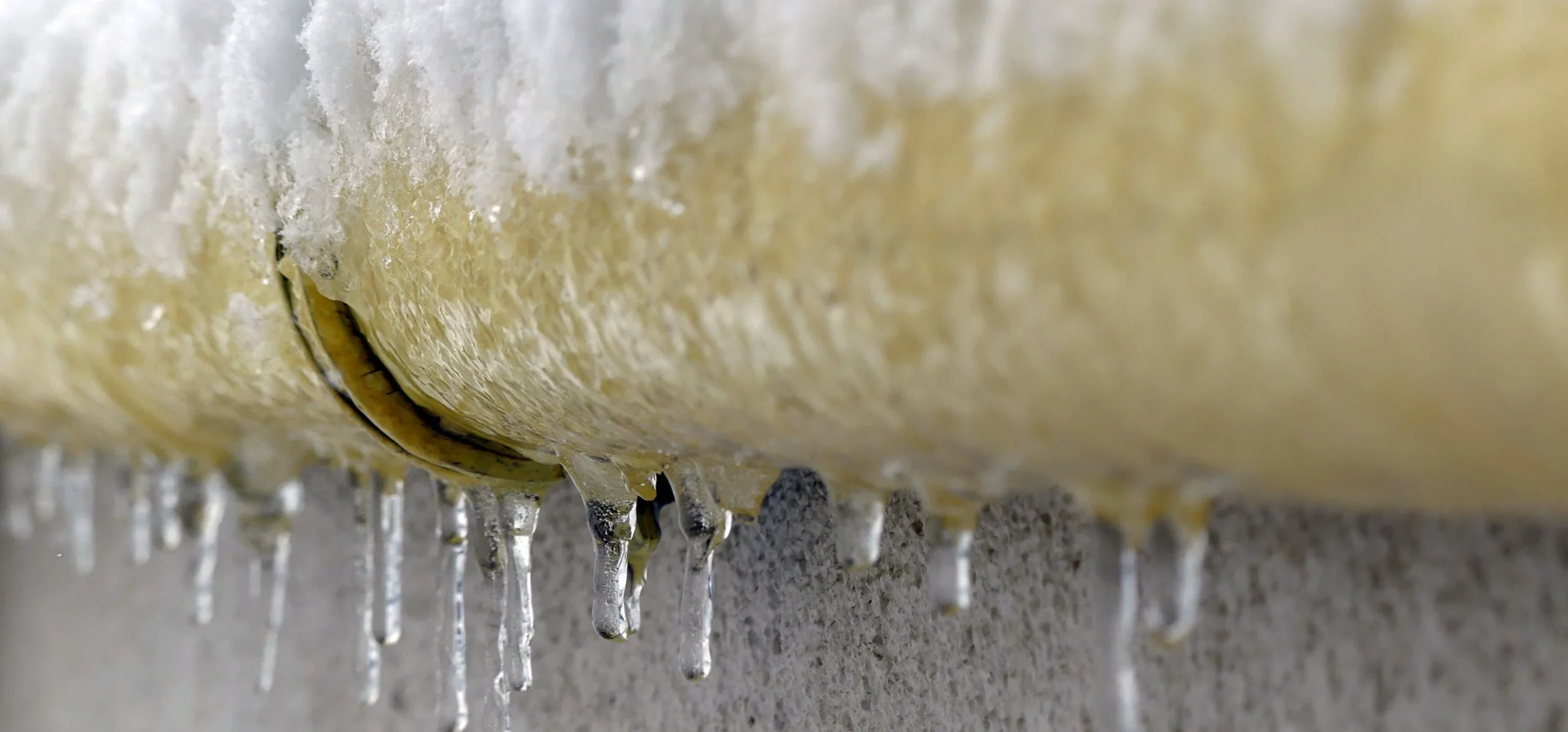
Cold snaps often freeze condensate pipes, which carry away acidic waste water. When ice blocks them, the boiler shuts down to avoid damage. You might hear a gurgle or see water backing up outside.
Low system pressure is another big one in winter. The gauge drops below 1 bar, starving the boiler of water. Extreme cold shrinks water volume, making this worse.
Electrical glitches hit outdoor parts like thermostats. Frost can crack wires or short circuits. Think of it as your boiler getting caught in a freeze-frame error.
Take this case: A family in Glasgow faced a lockout after a -5°C night. The condensate pipe iced solid overnight. They thawed it with warm towels, and heat returned in hours. Spot these signs early to avoid full breakdowns.
- Frozen pipes: Check external lines for ice buildup.
- Low pressure: Read the gauge on the boiler front.
- Power issues: Test sockets and reset breakers.
Simple scans like these pinpoint the freeze-related faults fast.
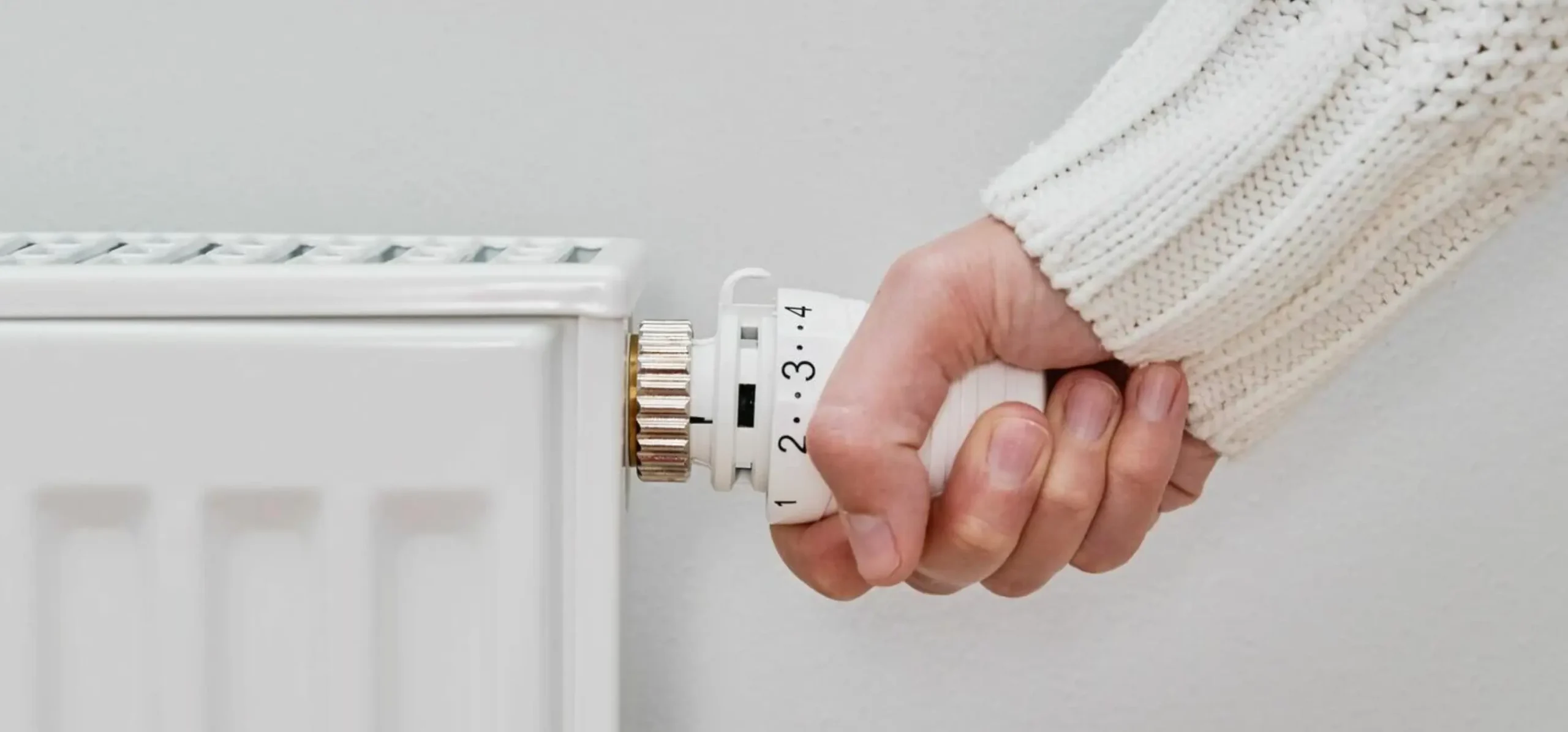
Troubleshooting Low Boiler Pressure
Your boiler needs 1 to 1.5 bar for safe work. Below that, it won’t fire up. The pressure gauge, often a dial on the front, shows this clearly.
Find the filling loop – a flexible hose under the boiler. Connect it to the inlet valves and open them slowly. Watch the gauge rise to 1.2 bar, then close everything tight.
After, run the heating for 10 minutes and check again. If pressure falls quick, a leak hides somewhere. Don’t ignore it; that leads to dry runs and damage.
Here’s how to do it right:
- Locate the black or braided filling loop.
- Turn the valves to the open position – like quarter turns.
- Add water until the needle hits the green zone.
- Shut valves and test for stability.
This fix works for many winter dips, but call a pro if it keeps dropping. You save a service trip that way.
Section 2: When to Call a Professional – Recognising Your Limits
Identifying Problems That Require Gas Safe Registration (or Equivalent Certification)
Gas work demands a certified engineer. Touching internal gas valves or the burner? That’s illegal without Gas Safe ID. You risk fines or worse – carbon monoxide poisoning.
Sealed systems need pros for pressure tests or part swaps. Leaks in hidden pipes mean specialist tools. Electrical faults inside the unit? Leave them to experts too.
UK law says only registered folks handle gas boilers. Check the Gas Safe Register online for proofs. DIY beyond basic checks can void warranties and hike insurance costs.
For example, a DIY fix on a faulty thermostat led to a fire in one home. Pros spot hidden dangers you miss. Know your bounds to stay safe.
Securing an Emergency Repair Appointment
Peak winter means lines jam for engineers.
Ask about costs upfront: What’s the call-out fee? Hourly rate? Do they stock parts for your model? This avoids surprises.
Prep by noting your boiler’s make, like Worcester or Ideal, and serial number. Share service records if you have them. It cuts diagnosis time in half.
- Call multiple services for quotes.
- Verify Gas Safe status over the phone.
- Book the soonest slot, even if it’s out-of-hours.
Reliable help turns chaos into calm quick.
Managing Wait Times During Peak Season
Delays can stretch to days in bad weather. Stay warm with portable electric heaters in the living room and bedroom. Block drafts with towels under doors.
Layer up with blankets and hot water bottles for beds. Focus heat where you spend time most. A dehumidifier helps if dampness creeps in.
Cook simple meals to generate warmth – ovens and stoves add cozy heat. Invite friends over if needed; shared body heat works wonders. These tricks bridge the gap till the engineer shows.
Insulate pipes in lofts to prevent more chills. Track wait times via apps from repair firms. Patience pays off when warmth returns.
Section 3: The Cost Factor – Understanding Repair vs. Replacement
Analysing the Repair Estimate: Parts and Labour Breakdown
A standard call-out runs £80 to £150 in winter. Fixing a pump might add £200 for parts and an hour’s work. Diverter valves, key for hot water, cost around £300 total.
Printed circuit boards fail often in cold; expect £250 to £400. Labour eats half the bill, especially out-of-hours. Always get a written quote first.
Industry stats show average winter repairs hit £350. Frozen pipe clears are cheaper at £100. Compare these to your budget before nodding yes.
Break it down like this:
- Call-out: Fixed fee for the visit.
- Parts: Vary by type – pumps are mid-range.
- Labour: 1-2 hours at £60-£90 each.
Clear estimates help you decide smart.
Assessing Boiler Age and Efficiency for Replacement Justification
Boilers over 15 years old guzzle energy. Check SEDBUK ratings; below 80% means it’s inefficient. Repairs on these often waste cash.
A 20-year unit might cost £500 to fix now, then fail again by spring. New models hit 90%+ efficiency, slashing bills. Weigh that against repair quotes.
Picture this: One owner patched a 1980s boiler for £800. It broke twice more, totaling £1,500. A new install at £2,500 saved long-term. Age and ratings guide your call.
Test efficiency with an annual check. If it’s low, plan a swap. Future winters thank you.
Exploring Emergency Funding Options and Insurance Claims
Dig into your home insurance for boiler cover. Many policies include “emergency heating” up to £500. File claims quick with photos of the fault.
Some banks offer 0% interest loans for repairs. Government grants like ECO help low-income homes replace old units. Check eligibility online.
Finance plans spread new boiler costs over years. No upfront lump sum needed. Read fine print for fees.
- Review policy docs for “system breakdown” clauses.
- Contact insurer same day for approval.
- Shop schemes via Energy Saving Trust site.
These options ease the money crunch in tough times.
Section 4: Preventing the Next Winter Crisis – Proactive Maintenance
The Importance of Annual Servicing: Your Best Defence
Book a service each year to spot wear early. Engineers clean burners, check seals, and flush sludge. This stops 80% of breakdowns before they start.
Late summer is prime time – before cold hits. It ensures peak shape for demand. Costs £80-£120, but saves hundreds in emergencies.
A serviced boiler runs smoother and greener. Think of it as a yearly health check for your heat source. Skip it, and risks climb.
System Health Checks You Can Perform Yourself
Bleed radiators monthly to release trapped air. Use a key on the valve till water flows steady. This boosts flow and pressure.
Insulate the condensate pipe with foam lagging. Wrap it snug before frost sets in. Clear vents of leaves or snow blocks.
Monitor for odd noises or error codes. A gurgle might mean sludge; note it for the engineer.
Try these easy steps:
- Bleed each radiator from top floor down.
- Wipe down the boiler case for dust.
- Check gauges weekly in winter.
Routine care keeps surprises low.
Protecting Your Boiler from Extreme Cold
If your boiler sits in a garage, add a frost guard kit. It kicks on a small heater at 3°C. Lofts need similar watches.
Use anti-freeze sprays on external bits. Keep ambient temps above freezing with insulated covers. No shortcuts in exposed spots.
One tip: Seal gaps around the unit with weatherstripping. It blocks icy drafts. Your boiler stays cozy and ready.
Conclusion: Returning to Warmth and Future Preparedness
A winter boiler breakdown shakes your routine, but safety checks and quick calls fix it fast. Know limits on DIY, grasp costs, and lean on pros for gas work. Prevention through services and checks wards off next year’s chills.
Warmth is key to home comfort, especially in harsh months. Act now on these tips. Schedule that service today – your future self will stay toasty.